Hello! I’m back to look at week 7, “Recovering a Sense of Connection.” The part I want to take a closer look at this week is about inspiration, and it’s summed up on the chapter’s very first page:
“Art is not about thinking something up. It’s about getting something down.”
As Cameron says, “the directions are important here.” Thinking something up is difficult. It suggests the need for great energy and hard work. Getting something down might also take hard work, but a different kind of work. It’s a kind of listening. Here’s another way Cameron expresses this idea:
“Art is about tuning in and dropping down the well.”
Last week, I listened to the book Big Magic by Elizabeth Gilbert on my daily dog walks. I’ve written here before about the Ted Talk where Gilbert talks about the ancient Roman (I think before I said Greek, oops) idea that “genius” originally referred to a spirit that lived in the walls of an artist’s studio and occasionally visited the artist to collaborate on an artwork. In Big Magic, Gilbert shares that she believes that ideas–any and all ideas–are independent entities in the universe that exist outside of humans. All ideas, she believes, are in search for the right human collaborator. When an idea finds a human collaborator, the idea can come to fruition–if, and only if, the human gives the idea enough time and attention.
Talk about tuning it. I adore this idea (heehee). I like thinking about ideas great and small floating around the ether, looking for the human who will bring it to life.
A fascinating side note and a kind of evidence for the truth behind ideas-as entities is “multiple discovery” or “simultaneous discovery.” Simultaneous discovery is when scientists far away from each other in space independently make the same discovery or arrive at the same conclusion around the same time, even when they are unaware of each other’s work. Gilbert asks, why wouldn’t an idea try more than one human at a time, when it knows it’s time for its birth in the world?
Because, of course, we humans are busy and distractible. We might hear ideas speak to us and then neglect them, focusing on all the other parts of our lives. Gilbert tells a great story about an idea she had and lost. The same idea was later adopted–uncannily–by another writer, but I’ll spare you the spoiler details in case you decide to listen to or read Big Magic.
The point is that being an artist takes time, time in which you, the artist, give attention to the idea you are working on. Even a little attention each day will show the idea you care about it, so it will stay with you. This reminds me of something Mary Oliver says in her A Poetry Handbook about writing being a kind of romance. I can’t put my hands on the book right this second, so I’ll paraphrase. Suppose, she says, that Romeo and Juliet made plans to meet, but time and time again, one of them didn’t show up. Eventually, the other would have gotten frustrated and moved on, and the great romance would have fizzled out. It’s the same with an artist and their art. If the writer doesn’t go the page, the painter doesn’t get to the canvas, etc, etc, the art isn’t going to happen.
This week I’ve used these thoughts as a way to inspire myself to write something, anything, every day. On Monday, I had the idea for a sestina. The sestina is, frankly, an annoying type of poem, and I kind of wished the idea wasn’t for a sestina, but it was. So every day I’ve been writing 6 lines of it. It’s Friday, so today I now have 30 lines, and only one stanza left.
Is it a good sestina? Who knows. But it feels good to give the idea attention, and not worry about the outcome. Do you have ideas calling to you, too? Maybe you can find a moment this coming week to give them a little attention, and see what happens.
For an image to go with this post, I went to Unsplash and searched “inspiration” to see what came up. Along with a lot of photos of sunrise was this, which I think fits perfectly:
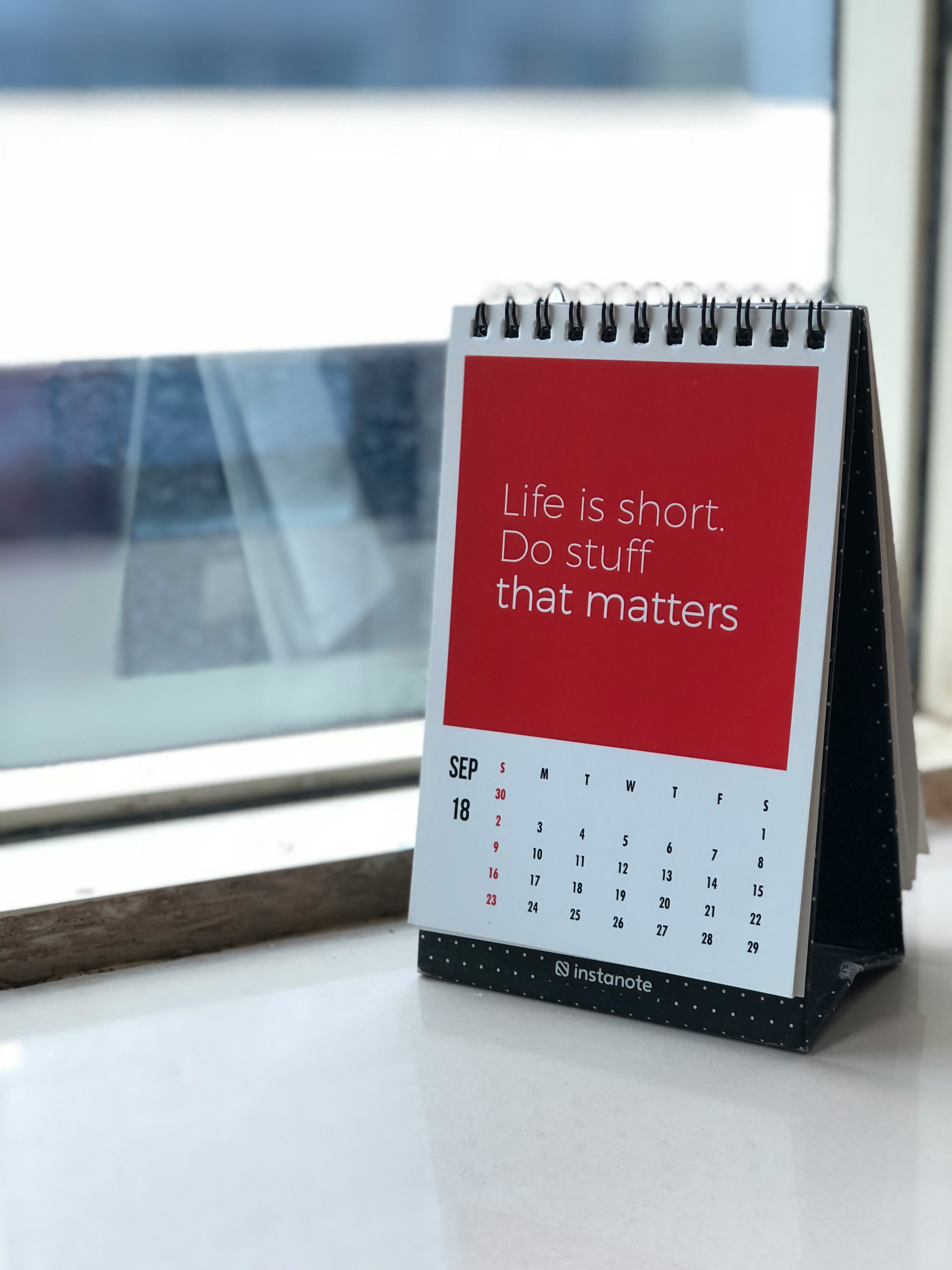
Photo by Manasvita S on Unsplash
Enjoy your week!

 Kimberly O'Connor
Leave a comment